

How do prefab modular steel container homes handle waste management?
Nov 03, 2025
Leave a message
Hey there! I'm a supplier of prefab modular steel container homes, and today I wanna chat about how these awesome homes handle waste management. It's a topic that doesn't get enough attention, but it's super important for anyone thinking about living in a container home.
First off, let's talk about why waste management is a big deal in container homes. These homes are often designed to be eco - friendly and sustainable. And proper waste management is a key part of that. Plus, living in a container home usually means you're in a more compact space, so you need to be smart about how you deal with waste.
Solid Waste Management
One of the most common types of waste we deal with every day is solid waste. In prefab modular steel container homes, there are a few different ways to handle this.
Recycling
Recycling is a no - brainer. Most container homes are designed with limited space, so separating recyclables right at the source makes a lot of sense. You can set up small, easy - to - use recycling bins inside your home. For example, you can have one for paper, one for plastic, and one for glass. Many local waste management services offer recycling collection, so you can just put your sorted recyclables out on collection day.
When it comes to our Assembled Prefabrictaed 20ft Expandable Container Houses, we can even design built - in recycling compartments. This way, you don't have to worry about finding extra space for your recycling bins. It's all neatly integrated into the home's design.
Composting
If you're into gardening or just want to reduce your waste even further, composting is a great option. You can start a small compost bin right outside your container home. Food scraps, like fruit and vegetable peels, coffee grounds, and eggshells, can all be composted. Composting not only reduces the amount of solid waste going to landfills but also creates nutrient - rich soil for your plants.
Some of our Modular Prefab House Restaurant Container House customers have even set up large - scale composting systems. They use the compost to grow their own herbs and vegetables for the restaurant, which is a really cool and sustainable way to manage waste.
Landfill Waste
Of course, there will always be some waste that can't be recycled or composted. For this, you'll need to rely on your local landfill waste collection service. Make sure to keep a trash bin for non - recyclable waste inside your home and take it out on collection days. In our container homes, we design storage areas for trash bins so that they're out of sight but still easily accessible.
Liquid Waste Management
Liquid waste is another important aspect of waste management in container homes. This includes things like sewage and greywater.
Sewage
For sewage, there are a few different options. If your container home is connected to a municipal sewer system, that's the easiest solution. You just need to make sure the plumbing in your home is properly connected to the sewer line.
However, if you're in a more remote area, you might need to use a septic tank. Septic tanks are underground chambers that collect and treat sewage. They require regular maintenance, like pumping every few years, but they're a reliable way to manage sewage in off - grid container homes.

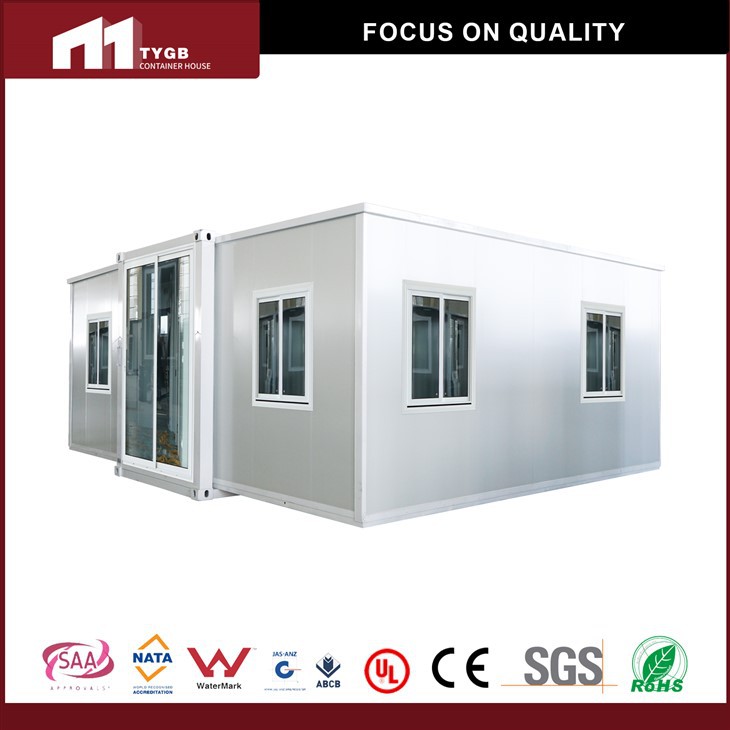
Our 20ft Luxury Expandable Container House can be customized to work with either a municipal sewer system or a septic tank. We work with professional plumbers to ensure that the sewage system is installed correctly and functions properly.
Greywater
Greywater is the wastewater from sinks, showers, and washing machines. It's not as dirty as sewage and can be reused for things like watering plants. In container homes, you can install a greywater recycling system. This system filters the greywater and then pumps it to your garden or plants.
Greywater recycling not only saves water but also reduces the amount of wastewater going into the sewage system. It's a great way to be more sustainable and make the most of the resources in your container home.
Hazardous Waste Management
Hazardous waste is a bit trickier to handle. This includes things like batteries, paint, and chemicals. In container homes, it's important to store hazardous waste properly and dispose of it at a designated hazardous waste collection facility.
You can set up a small storage area for hazardous waste inside your home, but make sure it's well - ventilated and away from living areas. Many local governments offer hazardous waste collection days or have permanent collection facilities where you can drop off your hazardous waste safely.
Benefits of Good Waste Management in Container Homes
Proper waste management in prefab modular steel container homes has a lot of benefits. First of all, it's better for the environment. By recycling, composting, and reusing water, you're reducing your carbon footprint and helping to conserve natural resources.
Secondly, it can save you money. For example, if you're using a greywater recycling system, you'll use less water, which means lower water bills. And if you're composting, you won't have to buy as much fertilizer for your plants.
Finally, good waste management makes your container home a more pleasant place to live. It reduces odors and keeps your home clean and healthy.
Conclusion
So, as you can see, prefab modular steel container homes can handle waste management in a variety of ways. Whether it's solid waste, liquid waste, or hazardous waste, there are solutions available. And as a supplier, we're here to help you design and set up the best waste management system for your container home.
If you're interested in learning more about our prefab modular steel container homes or have questions about waste management, don't hesitate to reach out. We'd love to have a chat and help you find the perfect home for your needs. Let's work together to create a sustainable and waste - friendly living environment.
References
- EPA. (n.d.). Waste Management Basics. Environmental Protection Agency.
- World Bank. (2018). What a Waste 2.0: A Global Snapshot of Solid Waste Management to 2050. World Bank Group.
Send Inquiry