

What is the process for getting a permit for a hurricane proof manufactured home?
Oct 24, 2025
Leave a message
Hey there! I'm a supplier of Hurricane Proof Manufactured Homes, and I often get asked about the process of getting a permit for these bad - boys. So, I thought I'd break it down for you in this blog post.
1. Initial Research
First things first, you gotta do your homework. Every state and even different counties have their own rules and regulations when it comes to building permits, especially for hurricane - proof homes. You can start by visiting your local building department's website. They usually have a ton of info about the requirements, forms, and fees.
Let's say you're in Florida. The Florida Building Code has some pretty strict rules about hurricane - resistant construction. You need to make sure your manufactured home meets all the wind - load requirements. This includes things like the strength of the roof, the anchoring system, and the impact resistance of the windows and doors.
2. Choose a Qualified Manufacturer
As a supplier, I can't stress enough how important it is to work with a qualified manufacturer. A good manufacturer will have experience building hurricane - proof homes and will be familiar with all the local codes. They'll be able to provide you with all the necessary documentation, such as engineering plans and product specifications.
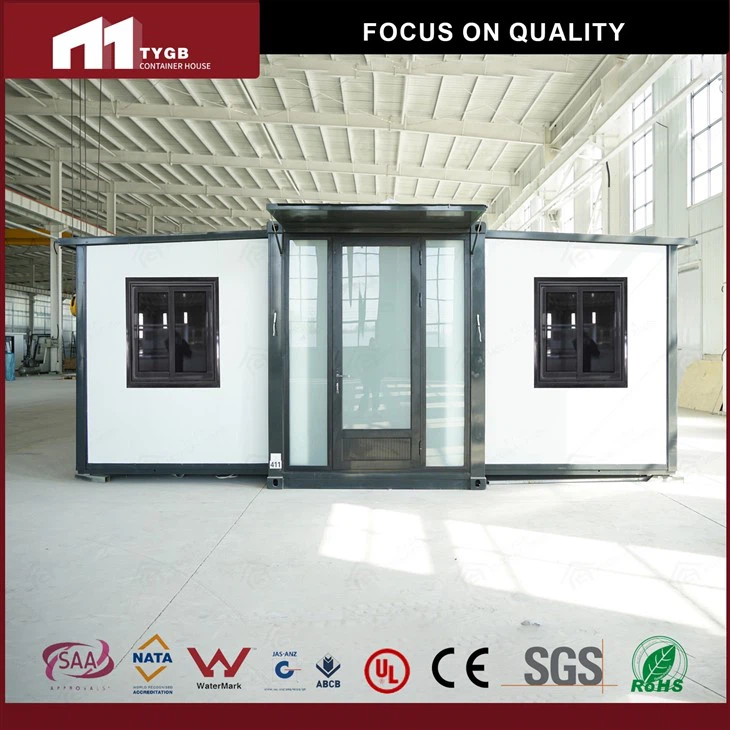
When you're looking for a manufacturer, ask for references and check their reviews online. You can also look at some of the homes they've built in hurricane - prone areas. For example, if you're interested in different types of modular homes, you can check out Prefabricated Modular Container House and Assembled Prefabrictaed 20ft Expandable Container Houses. These types of homes can be a great option for hurricane - proof living.

3. Submit Your Plans
Once you've chosen a manufacturer, it's time to submit your plans to the local building department. The plans should include detailed drawings of the home, including the foundation, walls, roof, and all the structural components. You'll also need to provide information about the materials that will be used, such as the type of wood, steel, or concrete.
The building department will review your plans to make sure they meet all the local codes. This process can take anywhere from a few weeks to a few months, depending on how busy they are. They may ask you to make some changes to the plans if they find any issues.
4. Get a Site Inspection
Before you can start building, you'll need to get a site inspection. The building department will send an inspector to your property to make sure the site is suitable for a hurricane - proof home. They'll check things like the soil conditions, the elevation of the land, and the proximity to flood zones.
If the site passes the inspection, you'll be issued a building permit. This permit allows you to start construction on your home. Make sure you keep the permit on the job site at all times, as the building department may come by to check on the progress of the construction.
5. Construction and Inspections
During the construction process, you'll need to have several inspections. The building department will send inspectors at different stages of the construction, such as after the foundation is poured, after the framing is completed, and after the roof is installed.
These inspections are important to make sure the home is being built according to the approved plans and all the local codes. If the inspector finds any issues, you'll need to make the necessary repairs before you can continue with the construction.
6. Final Inspection and Occupancy Permit
Once the construction is complete, you'll need to have a final inspection. The building department will check everything one last time to make sure the home is safe and habitable. If the home passes the final inspection, you'll be issued an occupancy permit.
This permit allows you to move into your new hurricane - proof home. Congratulations! You've successfully navigated the permit process and now you have a home that can withstand the powerful forces of a hurricane.
7. Consider Additional Features
When building a hurricane - proof home, you might also want to consider some additional features. For example, you can install a generator to keep the power on during a hurricane. You can also add storm shutters to protect your windows and doors.
Another great option is to build a safe room in your home. A safe room is a reinforced area where you can take shelter during a hurricane. It can provide an extra layer of protection for you and your family.
If you're interested in a more spacious and comfortable option, you can take a look at 3 Bedroom Expandable Granny Flat Under 60m2. This type of home can offer a great living space while still being hurricane - resistant.
Why Choose Our Hurricane Proof Manufactured Homes
As a supplier of Hurricane Proof Manufactured Homes, we take pride in offering high - quality homes that are built to last. Our homes are designed and engineered to meet the strictest hurricane - resistant standards. We work with experienced manufacturers and use only the best materials.
If you're thinking about getting a hurricane - proof home, don't hesitate to reach out to us. We can guide you through the entire process, from choosing the right home to getting the necessary permits. We're here to make your dream of a safe and comfortable hurricane - proof home a reality.
If you have any questions or want to discuss your options further, feel free to contact us. We're always happy to help you with your hurricane - proof home needs.
References
- Florida Building Code.
- Local building department regulations.
Send Inquiry