

Can a sliding out container house be moved easily?
Jun 05, 2025
Leave a message
As a supplier of sliding out container houses, I often get asked about the ease of moving these innovative structures. In this blog post, I'll delve into the various aspects that determine how easily a sliding out container house can be relocated, from its design features to the practical considerations involved in the moving process.
Design Features that Facilitate Mobility
One of the key advantages of a sliding out container house is its modular design. These houses are typically constructed using standardized shipping containers, which are built to be transported across the globe. The containers are designed with corner castings, which are heavy - duty metal fittings that allow for easy lifting and securing during transportation. This means that the basic building blocks of a sliding out container house are already engineered for mobility.
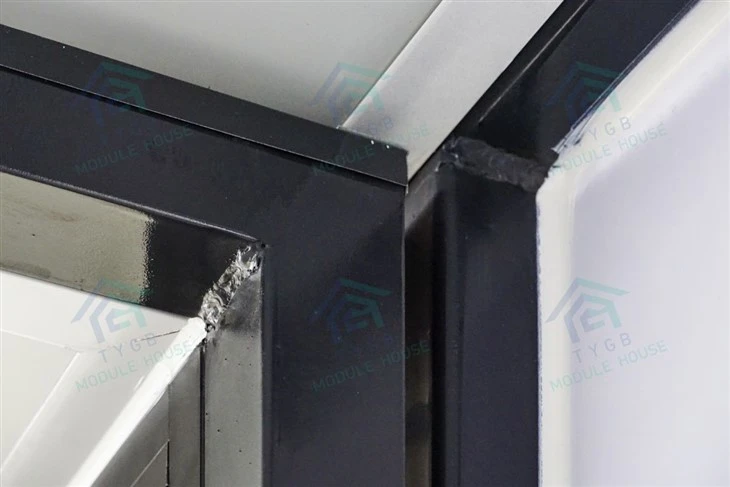

The sliding out feature itself also contributes to the house's portability. When it's time to move, the extended sections can be retracted back into the main container structure. This reduces the overall dimensions of the house, making it more compact and easier to transport. For example, a Sliding Out Prefabricated Glass House can be transformed from a spacious living area with large glass - walled extensions to a more streamlined unit that fits within the constraints of transportation vehicles.
Another design element that aids in mobility is the use of lightweight yet durable materials. Many sliding out container houses incorporate advanced composite materials, aluminum frames, and energy - efficient insulation. These materials not only reduce the overall weight of the house but also ensure that it can withstand the rigors of transportation without sacrificing structural integrity.
Considerations for Moving a Sliding Out Container House
Size and Weight
While the modular design makes sliding out container houses more manageable to move, size and weight still play a crucial role. Larger houses with multiple sliding out sections and extensive interior finishes will naturally be heavier and more challenging to transport. It's essential to have a clear understanding of the weight distribution and total weight of the house to select the appropriate transportation method. For instance, a Slide Out Prefab Manufactured Homes that has been customized with high - end amenities may require specialized heavy - haul trucks.
Transportation Infrastructure
The transportation infrastructure available in the area where the house is being moved also matters. Narrow roads, low bridges, and sharp turns can pose significant challenges. Before moving a sliding out container house, it's necessary to conduct a detailed route survey to identify any potential obstacles. In some cases, it may be necessary to obtain special permits for oversized loads, especially if the house exceeds the standard dimensions allowed on public roads.
Disassembly and Reassembly
Moving a sliding out container house often involves some level of disassembly and reassembly. This includes detaching any external fixtures such as solar panels, satellite dishes, and outdoor furniture. The internal systems, such as plumbing and electrical connections, also need to be carefully disconnected and then reconnected at the new location. A professional moving team with experience in handling sliding out container houses is crucial to ensure that these processes are carried out correctly to avoid damage to the house.
Weather Conditions
Weather can have a significant impact on the moving process. Extreme weather conditions such as heavy rain, snow, or high winds can make transportation dangerous and increase the risk of damage to the house. It's advisable to schedule the move during favorable weather conditions to minimize these risks.
The Moving Process
Planning Phase
The first step in moving a sliding out container house is the planning phase. This involves creating a detailed moving plan that includes the transportation route, estimated time of arrival, and a list of all the tasks that need to be completed before, during, and after the move. A professional moving company can assist in developing this plan based on their experience and knowledge of local regulations.
Preparation
During the preparation phase, the house is made ready for transportation. This includes retracting the sliding out sections, disconnecting utilities, and securing all loose items inside the house. The house is then inspected to ensure that it is in a suitable condition for moving.
Transportation
Once the house is prepared, it's time for transportation. Depending on the size and weight of the house, different transportation methods can be used, such as flatbed trucks, trailers, or even ships if the move is over a long distance or involves crossing water bodies. The house is carefully loaded onto the transportation vehicle using appropriate lifting equipment, and all necessary safety measures are taken to prevent any movement during transit.
Reassembly and Setup
At the new location, the house is unloaded and reassembled. The sliding out sections are extended, and the utilities are reconnected. A final inspection is carried out to ensure that the house is functioning correctly and that all safety standards are met.
Cost of Moving a Sliding Out Container House
The cost of moving a sliding out container house can vary widely depending on several factors. These include the distance of the move, the size and weight of the house, the complexity of the disassembly and reassembly process, and the need for special permits. On average, moving a sliding out container house can cost anywhere from a few thousand dollars for a short - distance local move to tens of thousands of dollars for a long - distance or international move.
Conclusion
In conclusion, a sliding out container house can be moved relatively easily compared to traditional brick - and - mortar houses, thanks to its modular design, retractable sections, and the use of lightweight materials. However, moving such a house still requires careful planning, professional assistance, and consideration of various factors such as size, weight, transportation infrastructure, and weather conditions.
If you're considering purchasing a Slide Out Prefabricated Container House and are interested in its mobility features, or if you already own one and need to move it, I encourage you to reach out to our team. We have the expertise and experience to help you navigate the moving process and ensure that your sliding out container house is moved safely and efficiently. Contact us to discuss your specific requirements and start the process of purchasing or moving your dream sliding out container house.
References
- Container Architecture: Design, Technology, and Sustainability by Andrew Maynard
- Prefab Houses: Innovative Design for Modern Living by Thomas Fisher
Send Inquiry