

Do you need a foundation for a expandable container home?
Oct 24, 2025
Leave a message
Do Expandable Container Homes Need a Foundation? Here's What You Should Know
Expandable container homes have become one of Australia's most practical and affordable housing choices. From modern granny flats to off-grid retreats, these modular spaces are known for their strength, mobility, and quick installation.
But one question often arises - do expandable container homes actually need a foundation?
The simple answer is yes - a solid foundation is almost always necessary for safety, stability, and council approval.
In this guide, we'll explain why a base is important, explore different types of foundations, and show how TYGB makes setup simple and stress-free.
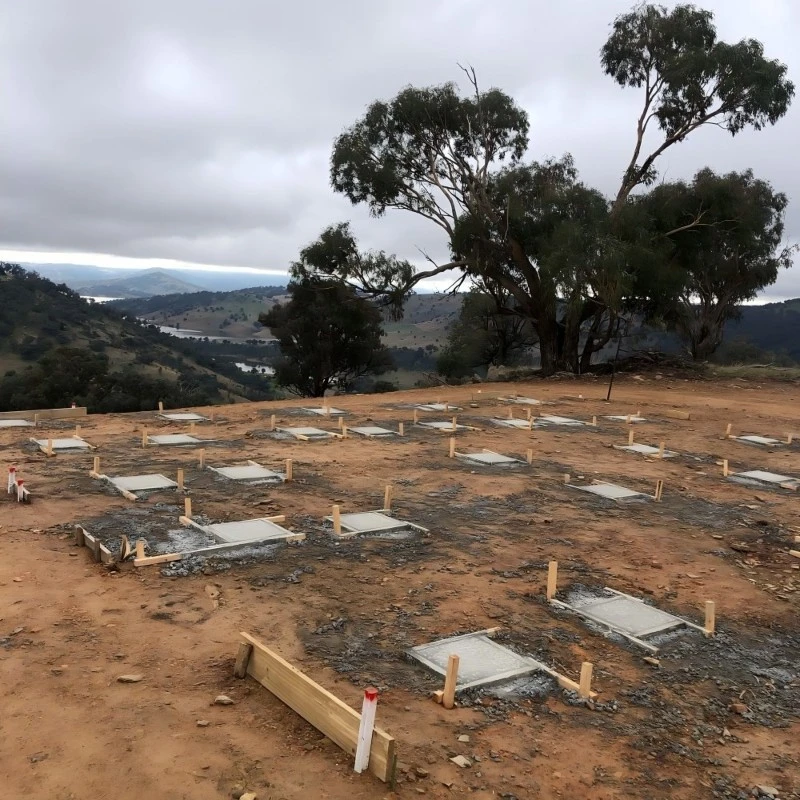
Why Expandable Container Homes Need a Foundation
While expandable container homes are engineered to carry heavy loads and withstand tough environments, placing one directly on bare soil can cause long-term issues. A proper foundation provides critical support and protection.
1. Keeps Your Home Level and Structurally Sound
A level base is essential to evenly distribute the home's weight. Without one, uneven ground can lead to twisting or sagging in the steel frame, affecting doors, windows, and even the alignment of your internal fittings over time.
2. Protects Against Moisture and Corrosion
Steel structures are tough but not invincible. When exposed to constant dampness, the underside can rust or deteriorate. A raised or sealed foundation prevents water from pooling underneath, reducing the risk of rust, mould, or floor rot.
3. Meets Local Building and Safety Codes
In most Australian regions, any dwelling intended for residential use must comply with local council requirements. These often include having a proper footing system that meets Australian Standard AS 2870. A compliant foundation helps secure building approval for Class 1a structures and ensures the home passes inspection.
4. Improves Ventilation and Prevents Pest Intrusion
A raised foundation lets air circulate beneath the container, helping regulate indoor temperature and keeping the subfloor dry. It also acts as a barrier against termites, rodents, and other unwanted guests - especially on rural or coastal properties.
If your home connects to utilities or is intended for long-term living, investing in the right foundation is non-negotiable.
Common Foundation Types for Expandable Container Homes
The ideal foundation depends on your site conditions, ground type, and whether the home is permanent or relocatable. Below are the most widely used options:
| Foundation Type | Description | Ideal Use Case |
|---|---|---|
| Concrete Slab | A thick, reinforced concrete base poured under the entire footprint of the home. | Permanent dwellings with plumbing and electrical systems. |
| Pier or Stump Base | Steel or concrete piers placed under load-bearing corners and points. | Sloped or uneven land; allows ventilation underneath. |
| Strip Footings | Concrete strips placed under key weight points of the container. | Semi-permanent setups; moderate cost and effort. |
| Block or Skid Base | Timber or concrete blocks supporting corners. | Temporary installations, site offices, or mobile units. |
Is a Foundation Always Required?
For any expandable container home classified as a permanent or semi-permanent dwelling, a compliant base is typically mandatory.
You'll need one if your build includes:
Plumbing or electrical connections
Building approval under Class 1a
Extended residential occupation
However, short-term uses - such as display suites, event offices, or relocatable buildings - may use non-permanent footings. Always confirm with your local council before setting up.
How TYGB Simplifies the Process
At TYGB, we design every expandable container home for easy and efficient installation.
We supply detailed base specifications and guide you on what type of foundation best suits your model and local conditions.
While we don't construct foundations ourselves, our team coordinates with your contractor or builder to ensure everything is ready for quick and seamless setup - saving you time and costly rework.
Final Takeaway
Yes - a proper foundation is a must for most expandable container homes. It keeps your structure stable, protects it from moisture, and ensures compliance with Australian regulations.
Whether you opt for a durable concrete slab or a pier system that allows better airflow, the right base will protect your investment for decades to come.
👉 Explore our full range of expandable and modular container homes, or get expert advice from the TYGB team on preparing your site for installation today.
Send Inquiry