

How to Evaluate If Your Home Design Meets Safety Standards: A Comprehensive Guide
Jul 13, 2025
Leave a message
Ensuring that your home design meets all necessary safety standards is crucial for the well-being of its occupants. At TYGB, we prioritize safety in every aspect of our expandable container homes, from structural integrity to electrical systems and fire prevention. Here's a comprehensive guide on how to evaluate if your home design complies with essential safety standards.
our casey
Lorem ipsum dolor sit amet consectetur adipisicing elit.

1. Structural Integrity Assessment
The foundation of any safe home is its structural integrity:
Material Quality: High-quality materials like galvanized steel frames and magnesium oxide boards ensure durability and resistance to environmental factors.
Construction Techniques: Precision manufacturing and assembly processes are critical for maintaining tight seams and robust connections.
Load-Bearing Capacity: Ensure the structure can withstand both vertical loads (such as furniture and people) and lateral forces (like wind and earthquakes).
A thorough assessment of these aspects will confirm that your home is built to last.
2. Electrical System Compliance
Electrical safety is paramount:
Certified Wiring: Use thick copper cables and heavy-duty switch boxes that comply with international standards such as ASTM, AS/NZS, and EU regulations.
Installation Practices: Professional installation by trained electricians ensures correct wiring and minimizes risks of electrical faults.
Safety Features: Incorporate GFCI outlets and surge protectors to safeguard against electrical hazards.
Regular inspections and maintenance can further enhance electrical safety.
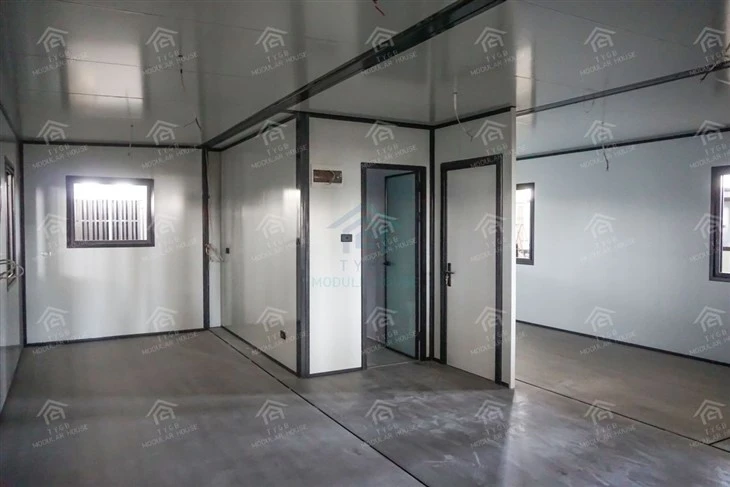

3. Fire Prevention Measures
Fire safety should never be overlooked:
Fireproof Materials: Utilize EPS foam, FRP panels, and magnesium oxide boards that offer excellent fire resistance.
Escape Routes: Design multiple escape routes and ensure they are easily accessible and clearly marked.
Fire Suppression Systems: Install smoke detectors, sprinklers, and fire extinguishers in strategic locations throughout the home.
These measures significantly reduce the risk of fire-related incidents.
4. Water and Moisture Protection
Water damage can lead to serious structural issues:
Waterproofing Layers: Apply waterproof membranes and sealants around windows, doors, and joints.
Drainage Systems: Implement proper drainage channels and roof overhangs to direct water away from the house.
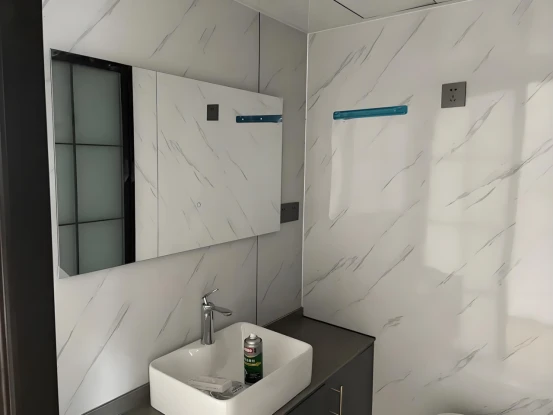
Interior Moisture Control: Use moisture-resistant materials like MgO boards and glass wool insulation to prevent mold growth.
Effective water management protects your investment for years to come.
Why Choose TYGB?
At TYGB, we believe in delivering homes that not only meet but exceed safety standards. Our commitment to quality and customer satisfaction ensures that every home we build provides peace of mind and long-term value.
[Contact Us Today] to learn more about how TYGB's rigorous safety protocols can ensure your home is secure and compliant with all relevant regulations.
Send Inquiry