

How To Check The Quality Of An Expandable Container House Before You Buy
Aug 18, 2026
Leave a message
Buying an expandable container house is not the same as ordering furniture online. These units travel thousands of miles by sea, get unfolded on-site, and then serve as someone's home, office, or commercial space for years. That's a very different set of demands than a sofa or a desk.
The challenge is that most expandable houses look nearly identical in photos. Same white exterior, same fold-out design, same "modern" aesthetic. But underneath that surface, the steel grade, welding technique, insulation performance, and waterproofing system can vary wildly from one factory to another. Two houses that look the same in a listing might deliver completely different results once installed.
If you're a distributor evaluating suppliers, a contractor sourcing units for a development, or a project buyer responsible for procurement, this guide walks through exactly what to inspect before you commit. Knowing these details upfront can save you from expensive rework, warranty claims, and damaged reputation down the line.
1. Start With the Main Steel Structure
Everything depends on the frame. The steel structure carries the entire load during transport, expansion, installation, and daily use. If the frame is under-specified or poorly built, nothing else matters.
When you're comparing suppliers, don't accept vague claims like "heavy-duty steel" or "reinforced structure." Those phrases mean nothing without numbers behind them. Instead, ask for:
Steel grade and specifications - What grade of steel is being used, and does it meet recognized standards?
Profile dimensions - The actual size of the steel sections, not just a general description.
Material thickness - Measured in millimeters, with documentation.
Connection methods - How sections join together, and whether those connections are engineered for repeated expansion cycles.
Surface treatment and corrosion protection - Especially critical if the units will be installed near the coast or in humid regions.
A manufacturer that takes quality seriously will have no problem walking you through these details. If they hesitate or can't provide specifications, that's your answer.
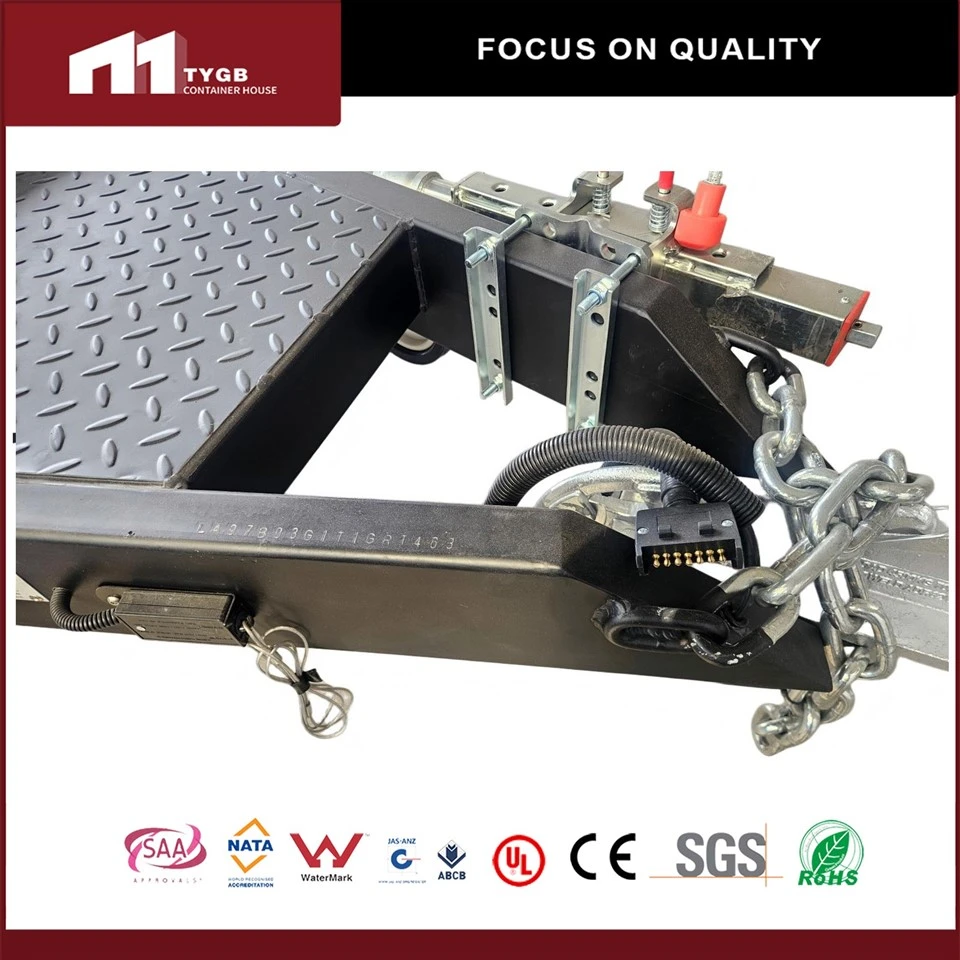
2. Look Closely at Welding Quality
Welding is where many factories cut corners, and it's also where problems show up first. Poor welds create weak points that can lead to frame deformation, structural failure, or safety issues over time.
What to look for in a supplier's production process:
Are workers following standardized welding procedures, or is it informal and inconsistent?
Is there a dedicated inspection step for welded components before they move to the next stage?
Is welding quality consistent across every unit, not just the "show" sample?
For B2B buyers placing volume orders, consistency is the real issue. You're not just buying one unit - you're buying ten, fifty, or a hundred. Every single one needs to meet the same standard. Ask the factory how they maintain that consistency across a production run.

3. Surface Treatment and Corrosion Protection
Expandable container houses live outdoors. Rain, humidity, UV exposure, and temperature swings all attack the steel over time. The quality of the surface treatment determines how long the house holds up.
Key questions for your supplier:
What coating system is applied, and how many layers?
How are exposed components protected after assembly?
Has the product been tested for the specific climate where it will be installed?
This last point matters more than many buyers realize. A house designed for a dry inland climate needs a different protection level than one going to a coastal area with salt air. Always tell your manufacturer the destination country and local conditions before finalizing specifications. A good supplier will adjust the protection accordingly.


4. Waterproofing: The Make-or-Break Factor
Water intrusion is the number one complaint we hear about low-quality expandable houses. Water finds its way in through roof seams, window frames, door thresholds, wall joints, and expansion connections. Once water gets inside, it damages insulation, creates mold, and rots structural components.
Don't just ask "Is it waterproof?" That question gets you a useless "yes" every time. Ask how the waterproofing works:
What is the roof waterproofing method - membrane, coating, or integrated design?
How are wall panel joints sealed, and what materials are used?
What specific measures protect the expansion joints where the house folds out?
How are windows and doors sealed against driving rain?
Is there a drainage design that directs water away from critical areas?
A professional manufacturer should be able to show you sectional drawings or detailed photos of these areas. If they can't explain the waterproofing system clearly, keep looking.

5. Roof Construction
The roof takes the most punishment - direct rain, intense sun, snow loads in colder regions. Beyond basic waterproofing, look at the roof's structural design.
Ask about the roofing material and its thickness, the drainage slope and design, and whether the roof has been tested under the manufacturer's internal quality standards. For projects in areas with heavy rainfall or snow, confirm that the roof structure can handle those loads. For hot climates, ask about UV resistance and heat reflection.
6. The Floor System
Flooring is easy to overlook when comparing products, but it's one of the hardest-working parts of the house. It supports everything - people, furniture, equipment - while also enduring the stress of transport and installation.
Find out:
What material is the floor frame made from, and how is it constructed?
What type of floor board is used, and what is its thickness?
What surface finish is applied, and how does it hold up to moisture?
What are the load-bearing specifications?
Different projects call for different priorities. Residential buyers care about comfort underfoot and ease of cleaning. Commercial or workforce housing projects prioritize durability and low maintenance. Make sure the floor specification matches your intended use.
7. Wall Panels and Insulation
The wall system determines how the house feels inside - temperature stability, noise levels, and overall comfort. It's also one of the biggest variables between suppliers.
Ask for specifics on:
The wall panel material and its properties
What insulation material is used (EPS, rock wool, PU, etc.) and why
Insulation thickness and coverage
How panels connect and seal at joints
How the insulation is protected from moisture
Climate drives these decisions. A house going to Canada needs a completely different insulation strategy than one going to the Middle East. Tell your supplier the destination upfront so they can spec the right system. If a manufacturer offers the same wall configuration for every market, that's a red flag - they're not engineering for performance, they're offering a one-size-fits-all product.
8. Windows and Doors
Windows and doors affect energy efficiency, security, and daily comfort. They're also common failure points if specified poorly.
Evaluate:
Frame material - aluminum, PVC, or steel, and the quality grade
Glass configuration - single, double, or triple glazing, and whether it's tempered
Sealing system - gaskets, weather stripping, and installation method
Hardware quality - locks, hinges, and handles that will last
Customization options for opening direction and sizes
For residential projects, larger windows improve natural light and make compact spaces feel bigger. But bigger windows also mean more heat transfer, so the glass specification needs to match the climate. Don't let aesthetics drive this decision at the expense of performance.


9. Electrical System
This is where many international buyers run into trouble. Electrical standards vary significantly by country - voltage, frequency, socket types, wiring regulations, and safety requirements are all different. A system built for China's standards won't work in the UK, and a US-spec system won't work in Germany.
Before ordering, provide your supplier with the full electrical requirements for your target market. Ask about:
Voltage and frequency compatibility
Socket types and placement
Wiring specifications and cable quality
Distribution board configuration
Lighting fixtures and switches
Electrical protection systems (RCD, grounding, etc.)
Confirm what is pre-installed at the factory versus what needs to be completed on-site. The more that's done in the factory, the less electrical work your local team has to handle - and the fewer mistakes get made.
10. Plumbing System
If your expandable house includes a bathroom or kitchen, plumbing quality becomes critical. Water damage from poor plumbing is expensive and disruptive to fix after installation.
Key areas to clarify:
What type of water supply and drainage pipes are used, and are they rated for the local water conditions?
What bathroom fixtures are included, and what is their quality level?
How are kitchen connections configured?
What waterproofing is built into wet areas?
What exactly is completed in the factory, and what needs to be connected on-site?
A clear breakdown of factory-finished work versus site work makes installation much smoother. Your local plumber should know exactly what they're responsible for before the unit arrives.
11. Quality Control Process
A product specification on paper is one thing. Whether the factory actually delivers that specification on every unit is another. This is where quality control separates professional manufacturers from trading companies and budget workshops.
Ask potential suppliers:
How are incoming raw materials inspected before production starts?
What in-process inspections happen during welding, assembly, and finishing?
How are final dimensions verified?
Is there a documented final inspection before shipment?
Are production records maintained for traceability?
For repeat orders, this matters even more. You need confidence that unit #50 meets the same standard as unit #1. A factory with proper QC systems can show you inspection records, not just tell you they have quality control.
12. See the Factory for Yourself
If you're buying internationally, you might not be able to visit the factory immediately - but you should still be able to see it. Ask for:
Videos of the production line in operation
Photos of steel processing, welding, and painting
Images of assembly and interior installation
Pictures of finished products and packaging for shipping
Videos of the loading process
A real manufacturer with nothing to hide will provide this readily. Be wary of suppliers who only send polished product renderings or photos of completed houses with no evidence of how they're actually built.

13. Why Manufacturing Experience Matters
Expandable container houses sit at the intersection of structural engineering, manufacturing, electrical systems, plumbing, interior finishing, logistics, and installation. It's a complex product that requires coordination across multiple disciplines. A factory that's been doing this for years develops systems and processes that a new entrant simply doesn't have.
Experienced manufacturers also understand the nuances of different international markets - what works in one country may not comply with regulations or climate conditions in another. They can guide you toward the right specifications rather than just selling you a standard catalog product.
A Practical Checklist for Your Next Order
Before you finalize a supplier, run through this list and make sure you have clear answers for each item:
|
Category |
What to Confirm |
|---|---|
|
Steel Structure |
Grade, thickness, profile dimensions, connection method |
|
Welding |
Process standards, inspection procedures, consistency |
|
Surface Treatment |
Coating system, corrosion protection, climate suitability |
|
Roof |
Material, waterproofing method, drainage design |
|
Waterproofing |
Roof, walls, windows, doors, expansion joints, drainage |
|
Floor |
Frame construction, board material, thickness, load rating |
|
Walls & Insulation |
Panel material, insulation type and thickness, climate match |
|
Windows & Doors |
Frame, glass, sealing, hardware, customization |
|
Electrical |
Voltage, frequency, sockets, wiring, protection systems |
|
Plumbing |
Pipe materials, bathroom fixtures, factory vs. site work |
|
Quality Control |
Material inspection, in-process checks, final inspection |
|
Packaging |
Protection for transport, loading method |
If a supplier can't clearly explain these areas, take that as a signal to dig deeper before committing to a large order.
The Price Question
Two expandable houses can look nearly identical in photos while having completely different internal specifications. One supplier might hit a lower price by using thinner steel, cheaper insulation, minimal surface treatment, and no real quality control. Another might have a higher factory price but deliver stronger materials, better production consistency, and proper support.
The right question isn't "Who's cheapest?" It's "Which supplier gives me the best overall value for my project?" For dealers building a reputation, contractors managing multiple sites, and developers planning large-scale deployments, reliability matters more than saving a few hundred dollars per unit. The cost of a failed product - replacements, refunds, damaged relationships with end customers - far exceeds the difference in upfront price.
What to Do Next
If you're planning to import expandable container houses, don't make the decision based on photos or price alone. Ask the hard questions. Request specifications. See the production process. Understand what's actually inside the house, not just what it looks like from the outside.
The best suppliers welcome these questions because they're confident in their product. The ones who dodge them? That tells you everything you need to know.
Need help evaluating suppliers or specifying the right configuration for your market? Reach out and tell us your destination country, project type, and estimated order quantity. We'll help you think through the right specs before you buy.
Send Inquiry